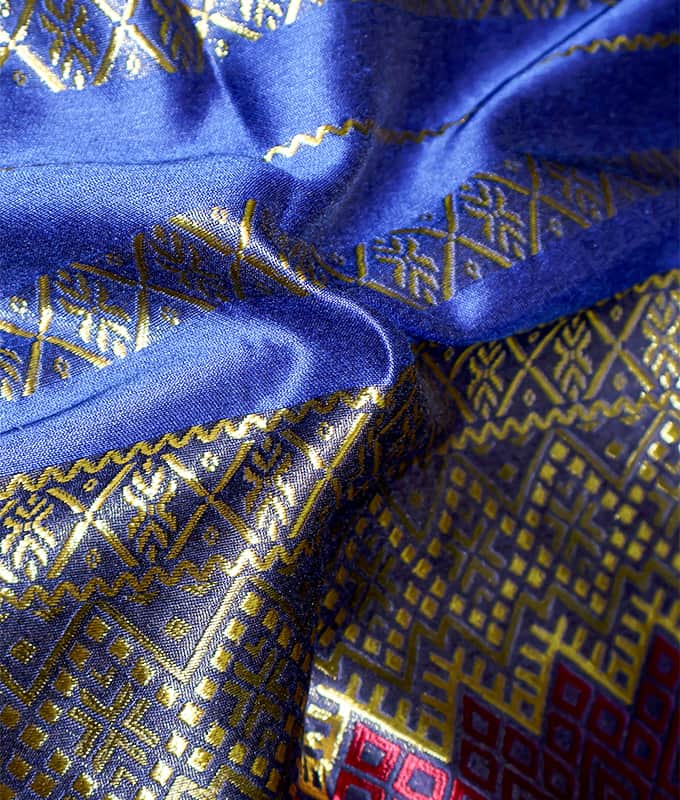
Tissu paréo 100 % polyester à motif jacquard coloré d'Asie du Sud-Est – durable, vibrant et facile à entretenir, conçu pour apporter à la fois...
See Details


Guide national des tissus paréos traditionnels d'Asie du Sud-Est
Nouvelles de l'industrie-Le « tissu paréo traditionnel national « À travers l’Asie du Sud-Est, on peut mieux comprendre qu’il s’agit d’une famille de textiles d’emballage. -le plus souvent des tissus de longueur paréo fabriqués selon des techniques de signature telles que batik , ikat , et chansonnette , each tied to specific countries, ceremonies, and weaving communities. Indonesian batik, fou example, is formally recognized by UNESCO as intangible cultural heritage (inscribed in 2009). :contentReference[oaicite:0]{index=0}
Ce qui constitue un « tissu paréo » en Asie du Sud-Est
In Southeast Asia, “sarong” can mean either a tubular garment or a rectangular cloth wrapped and secured at the waist. The fabric is often decorated using batik or ikat methods, or woven as brocade-like luxury cloth (chansonnette). :contentReference[oaicite:1]{index=1}
Taille pratique que vous verrez réellement dans les magasins
Les tailles varient selon le pays et le style de vêtement, mais ces références réelles vous aident à acheter correctement :
- Longyi birman : environ 2 m de long et 80 cm de large , commonly sewn into a cylinder. :contentReference[oaicite:2]{index=2}
- Sampot cambodgien chang kben (un drap enveloppé ressemblant à un pantalon) : cité comme un tissu rectangulaire environ 3 m de long et 1 m de large . :contentReference[oaicite:3]{index=3}
- Malong du sud des Philippines : décrit comme environ 4 mètres de long et ~ 50 pouces de haut (often tubular). :contentReference[oaicite:4]{index=4}
Les trois pierres angulaires des « tissus de sarongs traditionnels nationaux »
Si vous souhaitez une correspondance de haute confiance et culturellement ancrée avec le « tissu de sarong traditionnel national d’Asie du Sud-Est », ce sont les trois techniques que vous rencontrerez le plus souvent dans tous les pays et contextes vestimentaires formels.
| Tissu / technique | Comment c'est fait | Repère visuel | Meilleur cas d'utilisation |
|---|---|---|---|
| Batik | Teinture résistante à la cire sur tissu ; symbolisme profond du motif | Bords à motif nets ; répétition de motifs symboliques | À porter quotidiennement lors des cérémonies ; emblématique en Indonésie |
| Ikat | Teinture en réserve sur fils avant tissage | Bords doux « flou » ou à motif en plumes | Chiffons enveloppants durables ; tissage du patrimoine à travers la région |
| Chansonket | Tissé à la main avec trame supplémentaire à l'aide de fils métalliques | Motifs chatoyants or/argent (effet brocart) | Mariages, occasions d'État, tenues de soirée (monde malais) |
Indonesian batik is internationally recognized by UNESCO for its techniques, symbolism, and cultural role (inscribed in 2009). :contentReference[oaicite:5]{index=5} Ikat is widely described as a Southeast Asian-origin resist-dye method applied to yarns prior to weaving, producing its characteristic softened pattern boundaries. :contentReference[oaicite:6]{index=6} Songket is consistently defined as a handwoven textile with gold or silver threads, historically spread across the Malay world (including Indonesia, Malaysia, Brunei). :contentReference[oaicite:7]{index=7}
Comment identifier le tissu paréo authentique par rapport aux imprimés touristiques
Vous n'avez pas besoin d'être un expert en textile : utilisez quelques contrôles à signal élevé qui correspondent directement à la façon dont ces tissus sont fabriqués.
Batik : recherchez les « empreintes digitales » du processus, pas seulement les motifs
- If a piece is marketed as heritage batik but the pattern looks perfectly uniform on both sides with no dye-depth variation, it may be a surface print rather than a resist-dyed cloth (batik is defined by technique and cultural practice, not just visual style). :contentReference[oaicite:8]{index=8}
- Ask for the technique: sellers who can describe wax-resist steps and motif meaning usually deal in higher-integrity work, consistent with UNESCO’s framing of batik as technique symbolism culture. :contentReference[oaicite:9]{index=9}
Ikat : le « flou » est une fonctionnalité, pas un défaut
Ikat’s hallmark is that yarns are resist-dyed before weaving, so the pattern alignment naturally creates slightly feathered edges; a perfectly sharp, pixel-like ikat motif can indicate digital printing. :contentReference[oaicite:10]{index=10}
Songket : confirme le tissage de fils métalliques, pas d'encre métallique
Songket is described as a handwoven fabric where metallic threads are inserted as supplementary weft, producing a true raised shimmer. If the shine disappears when you tilt it and the surface feels flat like ink, treat “chansonnette” as a marketing label rather than a weaving structure. :contentReference[oaicite:11]{index=11}
Exemples spécifiques à un pays qui correspondent à un usage « national traditionnel »
L’Asie du Sud-Est est diversifiée, mais certaines associations sont particulièrement stables si vous voulez des exemples de « tissus de paréo traditionnels nationaux » pour les voyages, les cadeaux ou les vêtements culturels.
- Indonésie : Batik is a nationally emblematic textile tradition recognized by UNESCO (2009). :contentReference[oaicite:12]{index=12}
- Birmanie : Le longyi (une écharpe en forme de paréo) est largement porté ; Le dimensionnement de référence commun est ~2 m × 80 cm . :contentReference[oaicite:13]{index=13}
- Monde malais (Malaisie / Brunei / certaines parties de l'Indonésie) : Songket is a signature ceremonial fabric woven with gold or silver threads. :contentReference[oaicite:14]{index=14}
- Cambodge : Les systèmes traditionnels de tissu drapé comprennent des formes sampot ; un exemple documenté est un tissu rectangulaire ~3 m de long et 1 m de large for sampot chang kben. :contentReference[oaicite:15]{index=15}
- Sud des Philippines : Le malong est un vêtement tubulaire ; une taille référencée est ~4 mètres de long et ~50 pouces de haut . :contentReference[oaicite:16]{index=16}
Liste de contrôle d'achat : choisissez le bon tissu en fonction de la chaleur, de la cérémonie et du budget
Utilisez-le comme un outil de décision pratique lors de vos achats sur les marchés ou sur les listes en ligne.
Si vous avez besoin d'un paréo au quotidien
- Choisissez du coton respirant ou un mélange de coton ; privilégier une largeur/longueur confortable proche des normes régionales (par exemple, références longyi autour 2 m × 80 cm ). :contentReference[oaicite:17]{index=17}
- For ikat, accept minor pattern “softness” as normal for yarn-resist weaving. :contentReference[oaicite:18]{index=18}
Si vous avez besoin d'un textile de cérémonie/formel
- Choisir chansonnette when you want visible prestige—its defining feature is supplementary weft metallic threads (gold/silver). :contentReference[oaicite:19]{index=19}
- Choisir culturally grounded batik when motif meaning matters; UNESCO specifically frames batik as technique symbolism embedded in life events. :contentReference[oaicite:20]{index=20}
Questions rapides de qualité à poser à un vendeur
- Is it wax-resist dyed (batik), yarn-resist woven (ikat), or metallic-thread woven (songket)? :contentReference[oaicite:21]{index=21}
- Quelle est la taille exacte en cm ou en mètres (ne vous fiez pas à la « taille unique ») ? Utilisez des références comme ~2 m × 80 cm for longyi-type wraps. :contentReference[oaicite:22]{index=22}
- What fiber is it (cotton vs silk)? Songket is commonly described as silk or cotton with metallic threads. :contentReference[oaicite:23]{index=23}
Entretien et stockage : gardez le tissu paréo traditionnel portable pendant des années
Traditional sarong fabric longevity depends on matching care to construction—especially for dyed surfaces (batik), yarn-dyed weaves (ikat), and metallic-thread structures (songket). :contentReference[oaicite:24]{index=24}
- For batik: avoid harsh detergents and prolonged direct sun; batik is defined by hand-applied resist and dyed cloth culture, so treat it as a dyed textile, not a “printed towel.” :contentReference[oaicite:25]{index=25}
- For ikat: hand-washing reduces abrasion on yarn-dyed patterning created before weaving. :contentReference[oaicite:26]{index=26}
- For songket: store folded with soft tissue or cloth layers to reduce snag risk on metallic threads inserted during weaving. :contentReference[oaicite:27]{index=27}
En résumé : le meilleur choix de « tissu paréo traditionnel national »
Si vous avez besoin d’une réponse hautement crédible : choisissez le batik indonésien pour la référence de tissu de paréo traditionnel national la plus largement reconnue (inscrit par l'UNESCO en 2009), et choisissez chansonnette or ikat when your goal is respectively formal prestige or heritage weaving identity across Southeast Asia. :contentReference[oaicite:28]{index=28}
Connexes produits
-
-
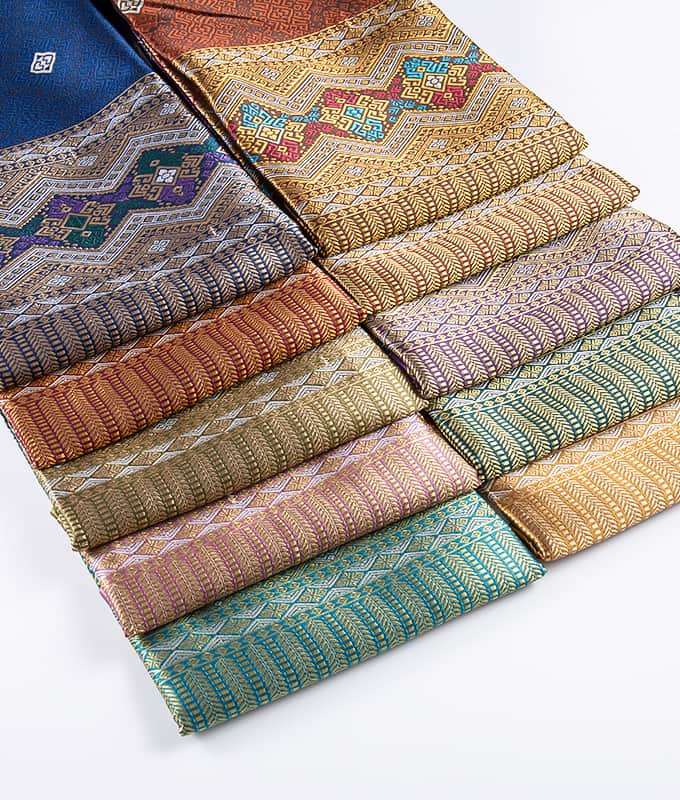
Le tissu en polyester pour jupe paréo traditionnelle d'Asie du Sud-Est allie héritage et modernité. Enraciné dans les traditions culturelles, ...
See Details -
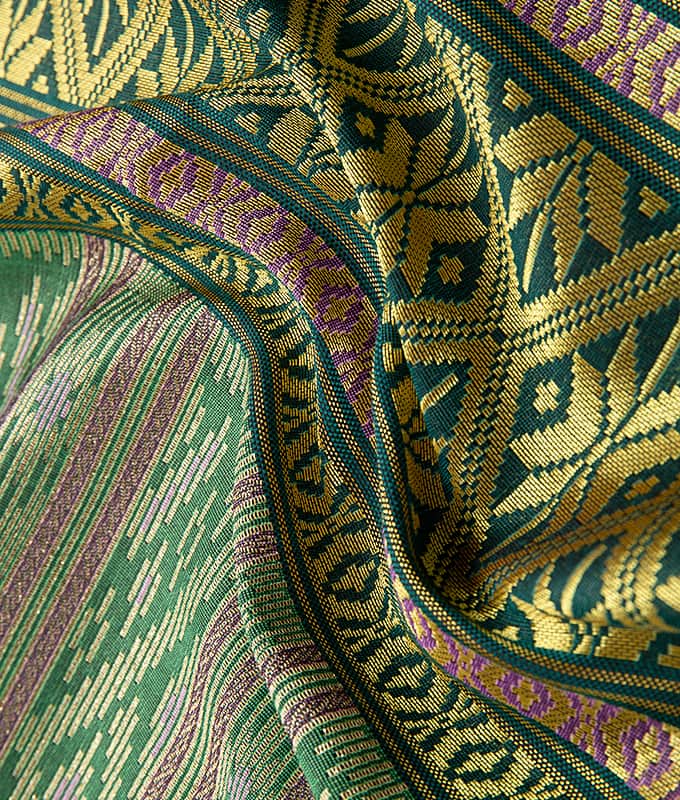
Le tissu polycoton à rayures verticales à fil doré pour paréo allie durabilité et confort avec une touche d'élégance. Doté de rayures dorées d...
See Details -
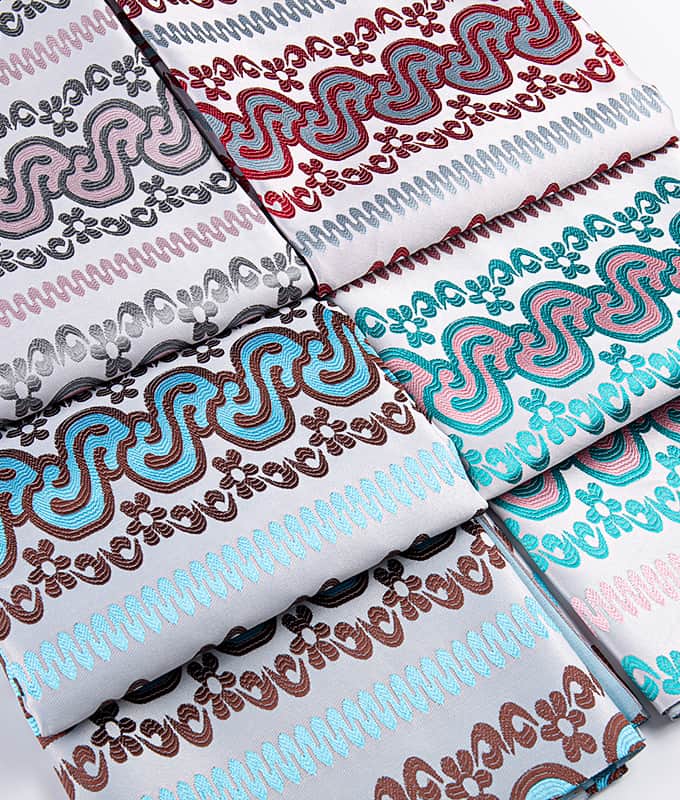
Le tissu jacquard en polyester texturé 3D en forme de S pour paréo allie élégance et durabilité. Fabriqué avec une technologie jacquard électroniqu...
See Details -
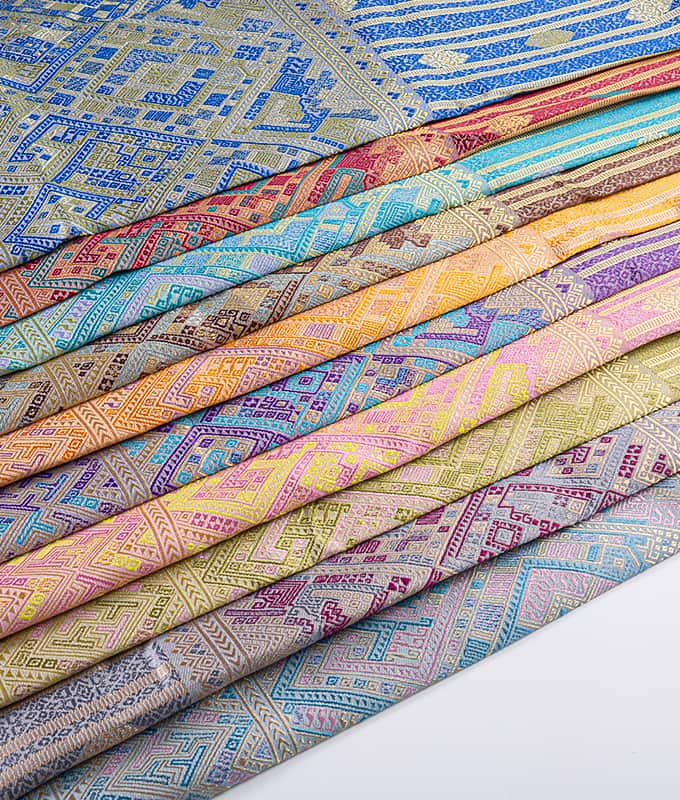
Tissu jacquard en polyester creux pour paréo traditionnel laotien — une fusion parfaite de l'héritage culturel laotien et de l'innovation...
See Details -
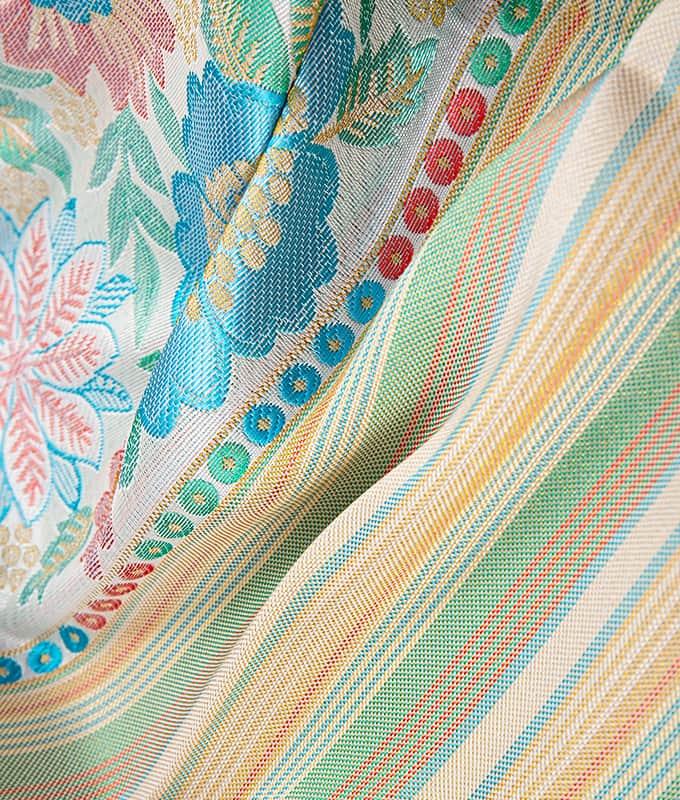
Tissu poly-coton imprimé tournesol pour paréo — un tissu vibrant inspiré des tournesols, rayonnant d'énergie et de luminosité. Fabriqué en pol...
See Details

